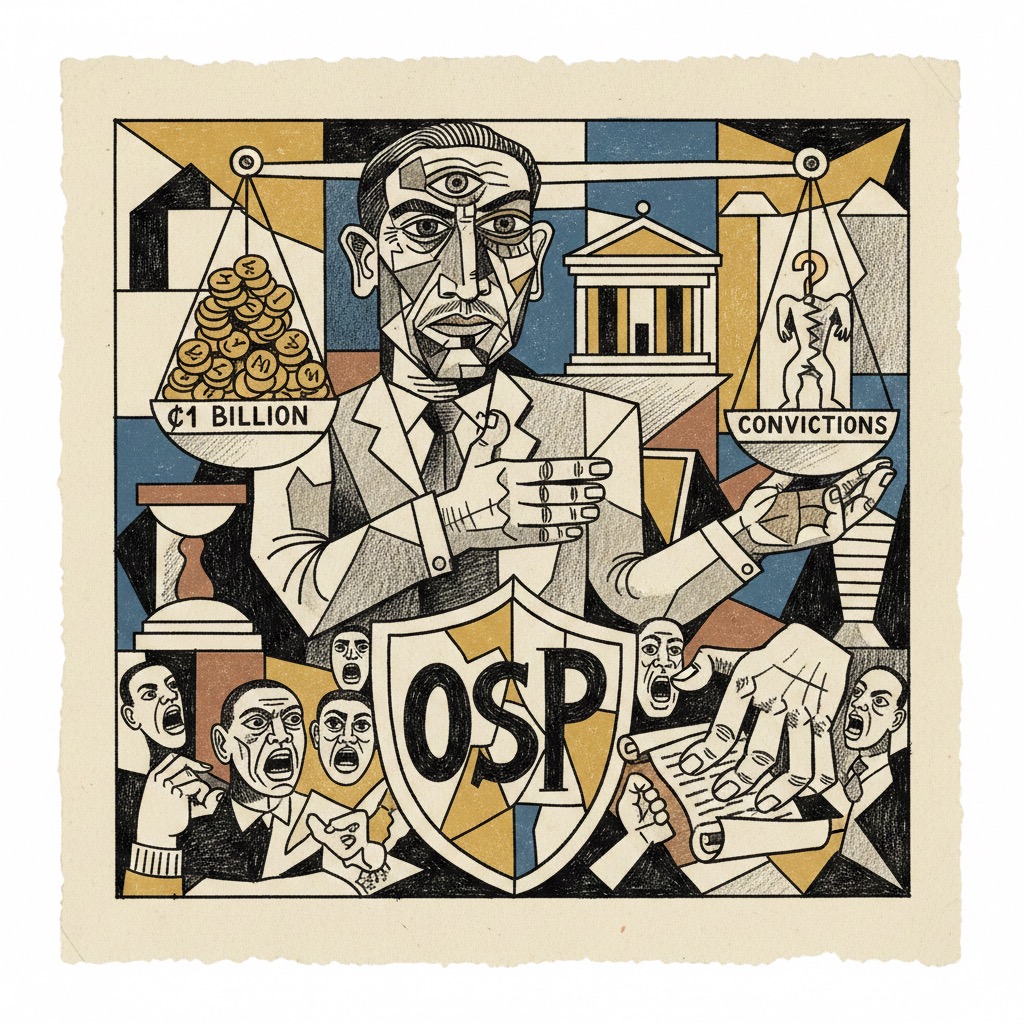
President John Mahama has reportedly stepped in to halt a move in Parliament that would have completely shut down the Office of the Special Prosecutor (OSP). This specialized government squad was set up to track down and prosecute big-time corruption, specifically among high-ranking politicians and public officials.
The bill to abolish it was put forward by Majority Leader Mahama Ayariga, who argued that the OSP had spent over ₵1 billion since 2018 with very little to show for it in terms of actual convictions. This raises a key question for the average person: why spend so much money for so few results?
The push to end the OSP sparked a major political fight. Civil society groups and people who care about stopping public theft warned that getting rid of the office would be a massive mistake. They pointed out that the OSP is one of the only bodies specifically designed to be independent enough to charge sitting or former officials without fear of political pressure. Its abolition, they argued, would send a message that the country is giving up on fighting corruption and allow powerful thieves to walk free.
Data shows that while Parliament has allocated significant funds, the OSP has often struggled to receive and effectively use its full budget. Challenges like not having a permanent office, struggling to recruit specialized staff, and not receiving the funds on time have held back its performance, especially in the early years. This statistical reality explains why critics see a billion-cedi failure. However, recent reports show that the situation has been improving, with the office getting a much larger percentage of its allocated funds in recent times.
By ordering the withdrawal of the abolition bill, President Mahama is signaling a preference for fixing the anti-corruption body rather than scrapping it.
His decision means that the focus will now shift to reforming the OSP. This involves making sure it gets the resources it needs, clarifying its powers, and hiring a tough, non-political prosecutor. The goal for the common person remains the same: an effective, independent watchdog that makes stealing from the public a very costly and unattractive career choice.