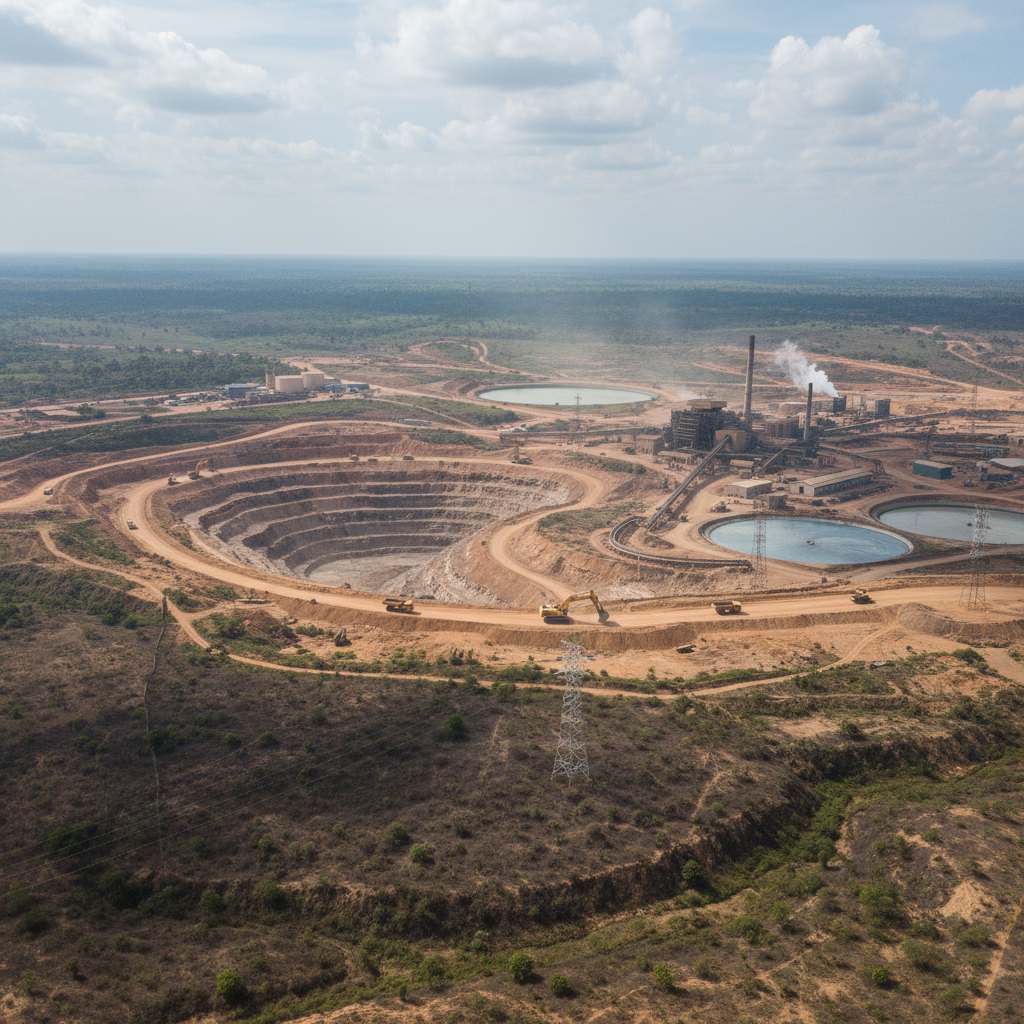
Ghana is facing significant international pressure regarding its gold policies. This pressure is marked by an unusual level of coordination among several global players.
Traditionally, foreign governments express concerns when major resource contracts are at stake. However, the current situation involves multiple key nations vocalizing their disquiet at the same time.
The United States, China, and various Western governments have all indicated discomfort. This simultaneous signaling is a notable development, according to experienced observers of African politics.
The specific reasons for this coordinated pressure are linked to Ghana's gold policies. These policies are crucial to the nation's economy and its dealings with international partners.
While the pressure is real and coordinated, reports suggest that the situation does not point towards an imminent coup. The focus remains on policy adjustments and diplomatic engagement.
Ghana's mining sector is a vital source of revenue. Changes or perceived threats to existing agreements can attract international scrutiny.
The government is expected to navigate these diplomatic pressures carefully. The outcome will likely influence future foreign investment and resource management in the country.
This situation highlights the interconnectedness of global resource markets and national policy decisions.