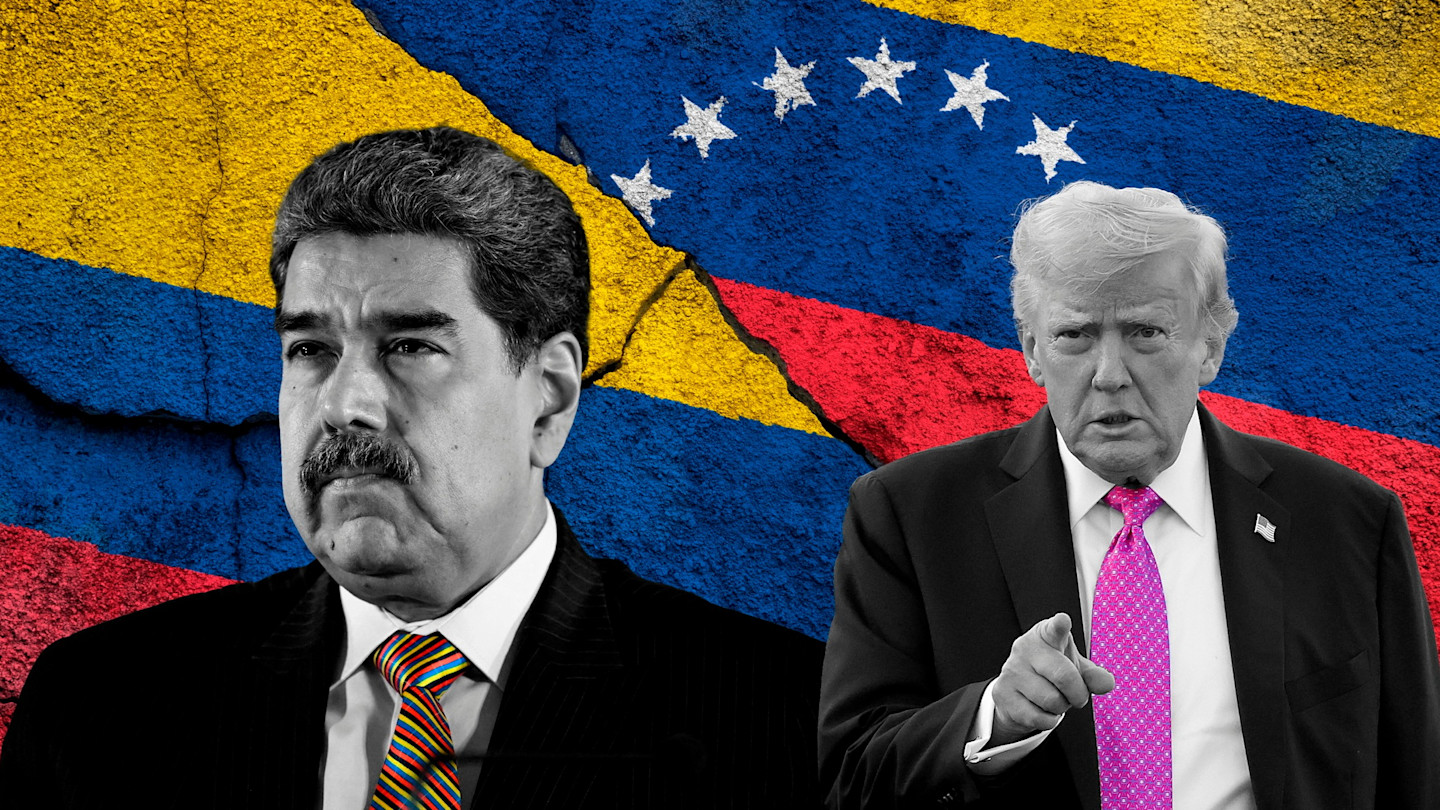
In the pre-dawn hours of January 3, 2026, explosions and military aircraft were reported over Caracas and other Venezuelan regions. According to multiple international news outlets, the United States executed what was described by its president as a “large-scale strike” on targets inside Venezuelan territory. U.S. President Donald Trump announced on social media that elite American forces had captured Venezuelan President Nicolás Maduro and his wife, Cilia Flores, and removed them from Venezuela.
The U.S. government characterized the operation as a continuation of pressure against Maduro’s leadership, which Washington has long accused of involvement in narcotics trafficking and other illicit activities. U.S. officials have identified units such as Delta Force as participants in the operation. Trump stated that both Maduro and Flores would face criminal charges in the United States based on past indictments, including narcotics-related charges.
The Venezuelan government responded swiftly. Official statements described the U.S. actions as a violation of national sovereignty and an act of “military aggression.” Authorities reported explosions in multiple states, including Caracas, Miranda, La Guaira, and Aragua. President Maduro, according to Venezuelan officials, declared a national emergency and ordered defensive operations, although his precise status and whereabouts were not independently verified at the time of reporting. Vice President Delcy Rodríguez publicly demanded proof of life and information on Maduro’s location, indicating uncertainty within official Venezuelan channels despite U.S. claims.
The context for this military action includes months of escalating U.S. pressure on Venezuela. Prior to January 3, 2026, the United States had increased military deployments in the Caribbean, imposed extensive sanctions on Venezuelan oil and maritime operations, and carried out numerous strikes on maritime targets alleged to be linked to drug trafficking. U.S. officials have repeatedly accused the Maduro government and associated networks of facilitating narcotics flows to the United States, assertions Maduro’s administration denies.
Domestic U.S. political reactions to the strikes and reported capture have been mixed. Some lawmakers endorsed the operation as a necessary action against criminal leadership. Others raised legal and constitutional concerns, questioning whether such military action required explicit authorization from the U.S. Congress.
The international response has been sharply divided. Governments including Russia, Iran, Mexico, Uruguay, and several Latin American states condemned the U.S. strikes as violations of international law and Venezuelan sovereignty. Others, including some European and regional leaders, expressed varying degrees of concern about the legality of the intervention while emphasizing the importance of de-escalation and respect for international norms. Calls were made for emergency sessions of international bodies such as the United Nations Security Council.
At the time of reporting, independent verification of key aspects of the situation remains limited. Details such as the exact location of Maduro and Flores following their reported capture, the status of Venezuelan governance structures in their absence, and the full humanitarian and civilian impact of the strikes have not been independently confirmed. Governments and news agencies continue to seek further information as the situation develops.