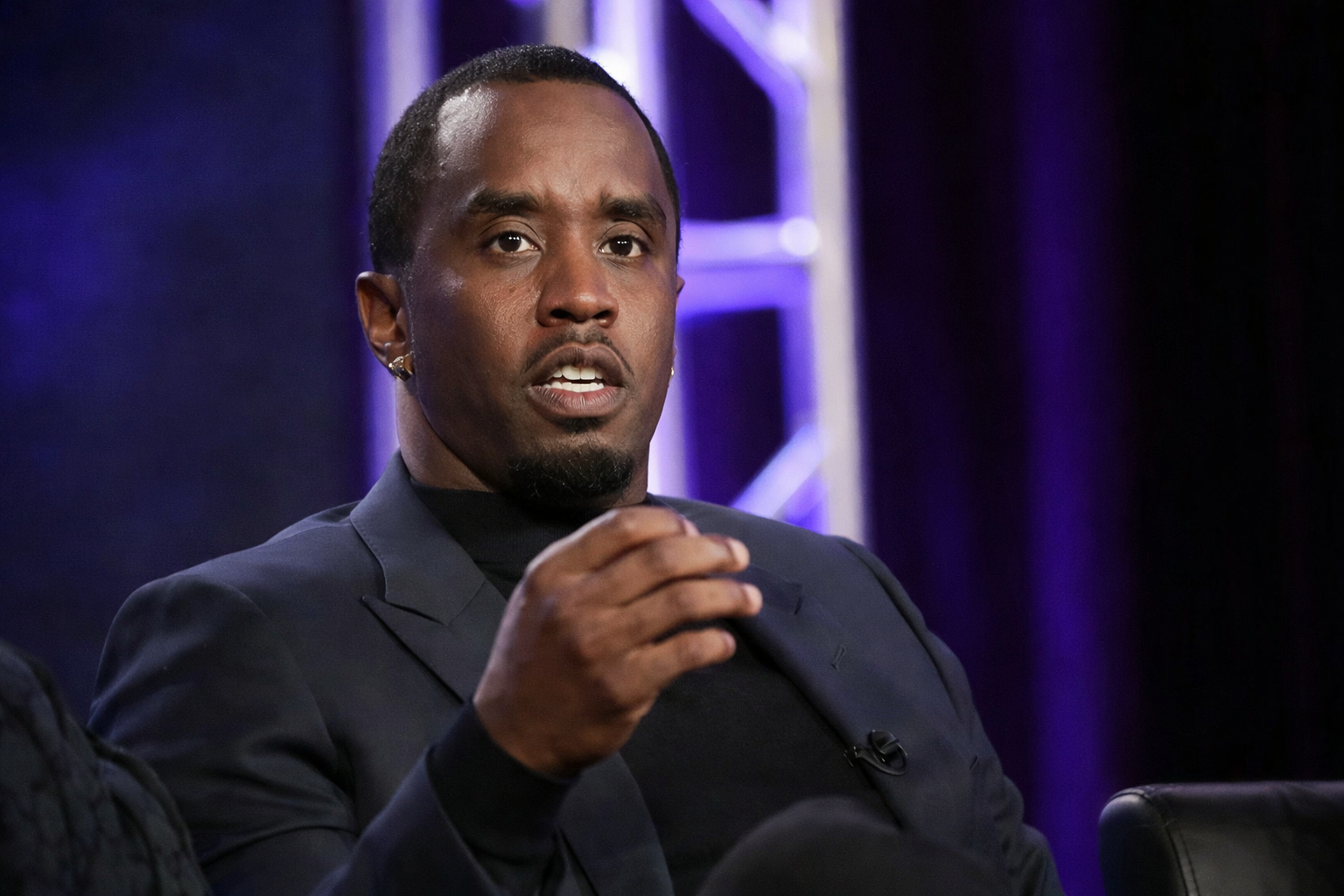
Sean John Combs, the American music executive and performer known publicly as Diddy, has asked a federal appeals court to order his release from prison and overturn his conviction on two prostitution related offences.
In a filing seeking expedited review, Combs’ legal team argued that the sentence imposed by the trial court was unlawful and that the conduct underlying the conviction did not amount to a crime. The appeal was filed with the Second Circuit Court of Appeals.
Combs is currently serving a 50 month prison sentence following his conviction on two counts of transportation to engage in prostitution. He was found not guilty by a jury on more serious charges that included racketeering conspiracy and sex trafficking.
His attorney, Alexandra Shapiro, described the sentence as unlawful unconstitutional and a perversion of justice. She asked the appeals court to vacate the conviction entirely or alternatively order a resentencing if the convictions are allowed to stand.
The filing argues that the trial judge improperly relied on conduct for which Combs had been acquitted when determining the sentence. The appeal claims the judge failed to follow updated sentencing guidelines and acted beyond the role of the jury.
The Southern District of New York, which prosecuted the case, declined to comment on the appeal. Prosecutors had previously sought a much longer sentence, asking the court to impose a prison term of at least 11 years.
The case followed a high profile trial earlier this year during which the jury heard testimony from two former partners of Combs. Cassie Ventura and a second witness who testified under the name Jane Doe told the court they were subjected to abuse and coerced into sexual encounters with male escorts.
While the jury rejected the most serious charges, it convicted Combs on the two prostitution related counts. After the verdict, Combs asked the trial judge to set aside the conviction or order a new trial, citing objections to how a federal anti prostitution statute known as the Mann Act was applied. That request was denied.
At sentencing, US District Judge Arun Subramanian said he considered Combs’ contributions to society and character references submitted on his behalf. He added that positive work could not erase the seriousness of the conduct established at trial.
Before the sentence was imposed, Combs apologised in court to the two women who testified against him. He described his actions as shameful and said he had lost control through excess and ego.
In addition to the criminal case, Combs is facing multiple civil lawsuits that allege sexual assault rape and exploitation. His representatives have consistently denied those allegations and maintain that he has never sexually assaulted or trafficked anyone.
The appeals court has not yet indicated when it will rule on the request for release or on the broader challenge to the conviction and sentence.