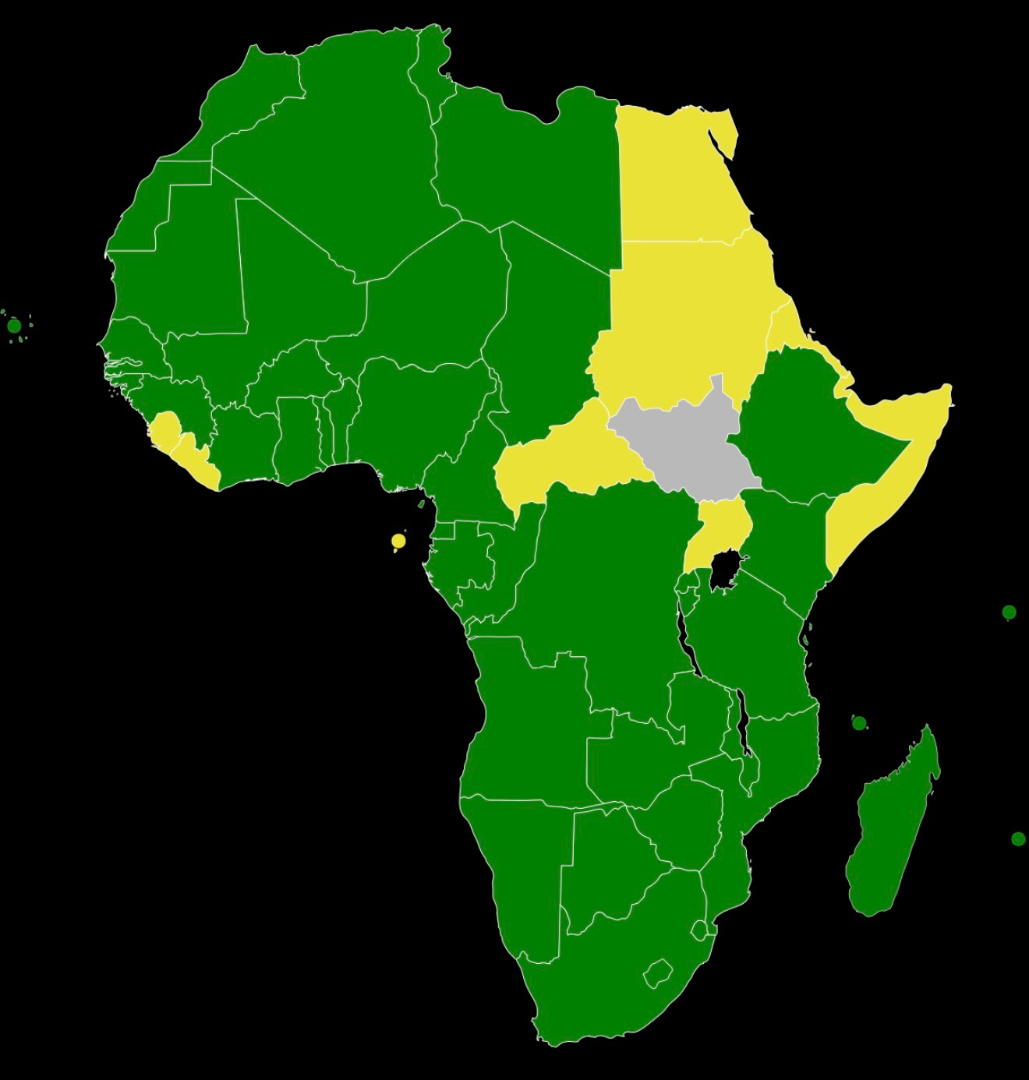
In a global system where nuclear weapons continue to define power, leverage, and security alliances, Africa has taken a deliberate and unified stance. Through the Treaty of Pelindaba, the continent has formally rejected nuclear weapons as instruments of defence, influence, or deterrence. This position is not symbolic. It is anchored in law, history, and shared political will.
Historical background and adoption
The Treaty of Pelindaba was adopted in 1996 in Cairo against the backdrop of Africa’s post–Cold War realignment and renewed emphasis on collective security. Its name derives from Pelindaba, South Africa’s principal nuclear research facility, a choice rich in symbolism.
South Africa remains the only country in the world to have developed nuclear weapons and later voluntarily dismantled its entire nuclear arsenal. Following the end of apartheid, the country rejoined the international community as a non-nuclear-weapon state. This act gave Africa both moral authority and practical momentum to pursue a continent-wide nuclear-weapon-free framework.
The treaty entered into force in 2009, once the required number of ratifications was secured, transforming a long-standing political aspiration into a binding legal instrument.
Core prohibitions under the treaty
The Treaty of Pelindaba establishes Africa as a Nuclear-Weapon-Free Zone (NWFZ) and places comprehensive obligations on states parties. These include firm prohibitions on:
The development, manufacture, acquisition, possession, or control of nuclear weapons.
The testing of nuclear explosive devices anywhere within African territory.
The stationing, storage, or deployment of nuclear weapons by any state, whether African or foreign.
By closing these avenues, the treaty eliminates the legal space for nuclear militarisation on the continent.
Ban on radioactive waste dumping
A defining and often overlooked provision of the treaty is its explicit ban on the dumping of radioactive waste in Africa. This clause reflects historical concerns that parts of the continent could be exploited as disposal sites for hazardous nuclear materials.
The prohibition addresses environmental protection, public health, and sovereignty, reinforcing Africa’s rejection of practices that disproportionately endanger vulnerable regions.
Peaceful nuclear use and development
The Treaty of Pelindaba does not oppose nuclear science or technology. Instead, it draws a clear line between military use and peaceful nuclear applications. African states retain the right to pursue nuclear energy for:
Electricity generation
Medical diagnostics and treatment
Agricultural and industrial research
All such activities must, however, operate under International Atomic Energy Agency (IAEA) safeguards. This requirement ensures transparency, accountability, and adherence to global non-proliferation standards while supporting development goals.
Security assurances and external obligations
Beyond commitments made by African states, the treaty contains protocols directed at nuclear-armed states outside the continent. These protocols require them to:
Respect the nuclear-weapon-free status of Africa.
Refrain from the use or threat of use of nuclear weapons against treaty members.
This aspect positions the Treaty of Pelindaba not merely as a regional agreement, but as part of the broader international disarmament architecture, reinforcing global norms against nuclear coercion.
Strategic and political significance
The treaty carries lasting implications for Africa’s security and diplomatic posture:
It reduces the risk of nuclear competition or escalation within the continent.
It strengthens Africa’s collective bargaining position in global disarmament forums.
It aligns regional security with environmental protection and public safety.
It demonstrates a shared commitment to security based on law rather than armament.
In international relations, where power is often measured by military capability, Africa’s nuclear-weapon-free stance represents a conscious alternative grounded in restraint and cooperation.
Ratification status and ongoing challenges
While the majority of African Union member states have ratified the Treaty of Pelindaba, universal ratification has not yet been achieved. Closing this gap remains a priority for continental institutions and civil society actors working on peace and security.
Equally important is effective implementation. Verification mechanisms, political commitment, and continued engagement with international partners are essential to ensuring that the treaty’s provisions remain credible and enforceable over time.
References
United Nations Office for Disarmament Affairs (UNODA), African Nuclear-Weapon-Free Zone Treaty.
International Atomic Energy Agency (IAEA), Nuclear-Weapon-Free Zones and Safeguards.
African Union Commission, Peace and Security Architecture Documents.
South African Department of International Relations and Cooperation, Background to the Treaty of Pelindaba.