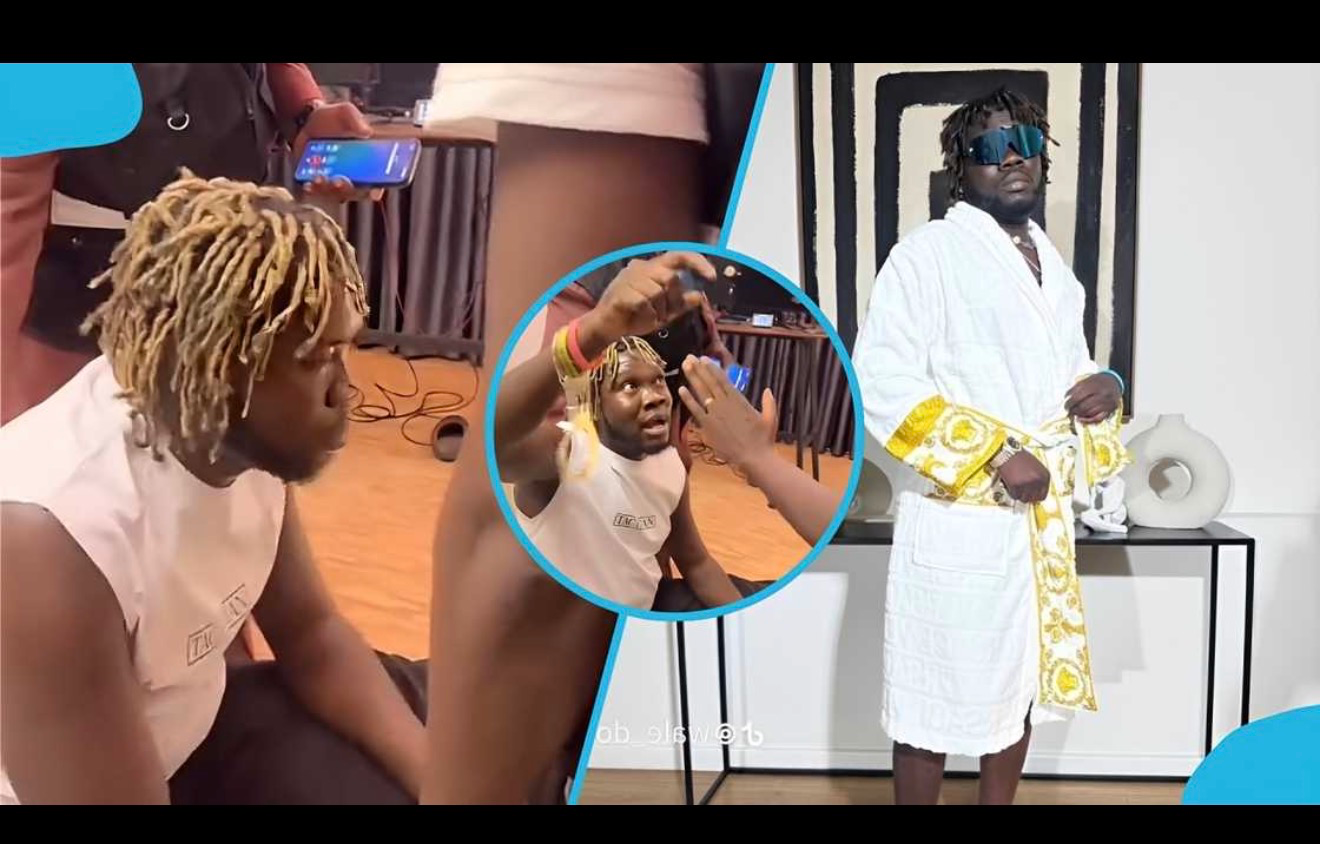
Videos circulating widely on social media on January 30, 2026, depicted a dramatic confrontation at the residence of popular Ghanaian entertainer Sam Safo, known as Showboy. The incident unfolded during a TikTok live session when officers from the Criminal Investigations Department (CID) attempted to take him into custody, immediately sparking public speculation regarding the reasons for the intervention and adherence to proper legal procedures.
According to various media reports, the CID's action stemmed from a formal complaint lodged by music promoter David Mensah, popularly known as Davido GH. Mensah accused Showboy of blackmail and harassment, submitting a petition to the CID alleging that Showboy had threatened to expose sensitive information and was demanding something in return, which the complainant characterised as extortionate behaviour. These reports identified Davido GH's petition as a central factor in the investigators' interest.
The encounter itself was reportedly chaotic. Viral clips show Showboy confronting the officers, who he later claimed entered his residence while he was asleep. In the footage, he repeatedly refused to accompany them, insisting they produce a judge-signed arrest warrant and challenging the legality of their actions. Showboy's subsequent accounts and interviews emphasised that he was not taken into custody because the officers could not produce the requisite warrant at the time. This claim has become a focal point for public debate concerning police procedure and civil rights in the case.
Conflicting post-incident reports further complicated the narrative. Some outlets reported that Showboy had been detained and subsequently escaped custody before reaching the police station, while others claimed that one of his vehicles was seized and associates were briefly detained during the operation. Showboy and his team vehemently denied the narrative of him fleeing police custody and publicly challenged specific characterisations of the incident, including the charge labels circulating online. As of the time of reporting, the precise list of charges and the formal status of any detention remained unclear in public records.
Public discussion since the incident has largely revolved around two key issues. Firstly, the substance of the original complaint: whether the alleged conduct meets the legal threshold for blackmail or extortion, or if it constitutes hostile online conduct that should be addressed differently under Ghana's laws on publication and cyber conduct. Secondly, the process: whether CID officers adhered to statutory arrest procedures, including the presentation of warrants and the avoidance of unnecessary force when executing an arrest at a private residence. Showboy has publicly framed the operation as an overreach and questioned the legitimacy of the claim against him, while the complainant's camp has maintained that the complaint was significant enough to warrant CID action.
What is clear from current reporting is that this case highlights the intersection of evolving online reputational disputes and traditional criminal law. High-profile personalities frequently use live social platforms to air allegations, and such broadcasts can both accelerate public scrutiny and complicate investigations. Legal analysts commenting on the affair noted that allegations of blackmail or extortion require demonstrable proof of coercive demands, whereas claims about 'publication of false news' would implicate different legal provisions and standards of proof. This distinction is crucial as it determines the investigative scope, the types of evidence the CID will prioritise, and potential criminal penalties.
At the time of writing, neither the Ghana Police Service nor the CID had issued a comprehensive public statement confirming specific charges against Showboy. His handlers have pushed back against some narratives published by bloggers and tabloids. Observers have urged patience until the CID releases an official account or until formal charges are filed in court. Media reports suggest investigators are continuing to gather statements and documentary evidence relevant to the complaint.